

There are hundreds of recognised dog breeds on the planet, but some are so rare, so ancient, or so strikingly unusual that even the most dedicated animal lovers have never encountered them. From hairless desert dogs to sheepdogs wrapped in dreadlocks, the canine world is far stranger and more wonderful than most people realise.
At GEAR, we believe that every animal, no matter how common or how rare, deserves to be known, celebrated, and properly cared for. So today, we’re taking you on a journey across continents to meet ten of the most unique dog breeds that exist. Whether you’re a dog owner, a breeder, or simply someone who loves animals, this list is guaranteed to surprise you.
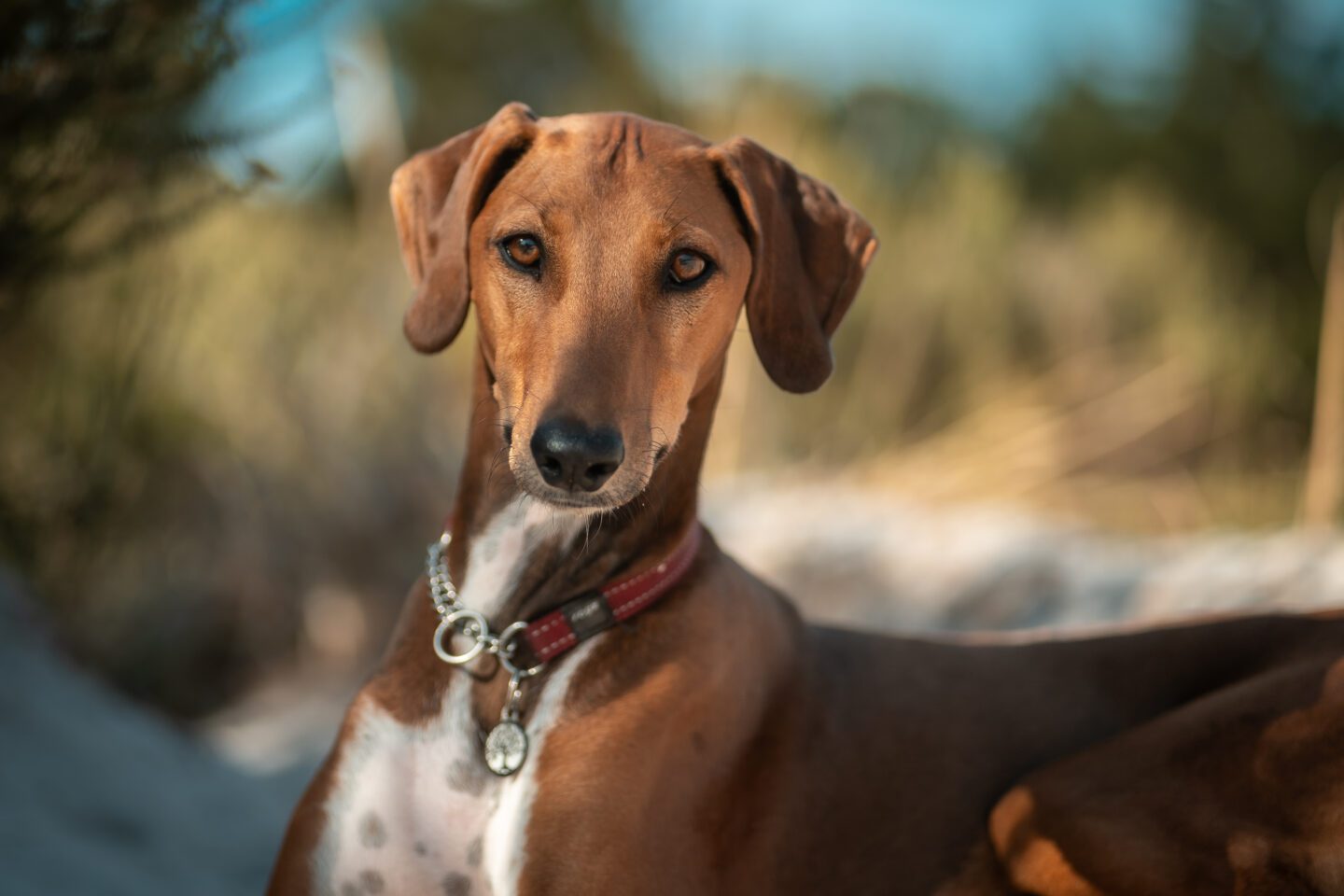
Azawakh
Origin: West Africa (Mali, Niger, Burkina Faso)
Few dogs carry themselves with the quiet dignity of the Azawakh. This ancient sighthound has been bred for centuries by the Tuareg nomads of the Sahara and Sahel, used to hunt gazelle across open desert terrain at speeds that rival a greyhound.
What makes the Azawakh truly striking is its physique — angular, lean, and almost skeletal in appearance, with a deep chest and visible muscle structure beneath thin, close-fitting skin. Their coats come in a range of warm tones: sandy, fawn, brindle, and blue.
Despite their elegant exterior, Azawakhs are intensely loyal to their family and deeply reserved around strangers — a reflection of the nomadic culture that shaped them. They’re not the easiest breed for first-time dog owners, but for those who earn their trust, the bond is extraordinary.
Fun fact
The Azawakh is one of the few dog breeds that is truly a peer to its owner rather than a subordinate — a cultural value embedded in the way the Tuareg have raised them for thousands of years.
Norwegian Lundehund
Origin: Norway
The Norwegian Lundehund might be the most anatomically unusual dog on this entire list. Developed on the remote islands of Norway to hunt puffins from cliff-side burrows, this small Spitz-type breed evolved a set of physical adaptations that are almost unbelievable:
- Six toes on each foot — all fully formed and functional
- Joints flexible enough to bend the head backward to touch the spine
- Ears that fold shut to keep out moisture and debris
- The ability to tip its forelegs out to the side at 90 degrees — like a human spreading their arms
These traits allowed Lundehunds to navigate narrow rocky crevices that no other dog could manage. With the decline of puffin hunting, the breed nearly went extinct — at one point, fewer than a handful remained. Thanks to dedicated Norwegian breeders, the population has slowly recovered, though it remains critically rare worldwide.
Fun fact
The Lundehund has more joints and greater range of motion than any other known dog breed.

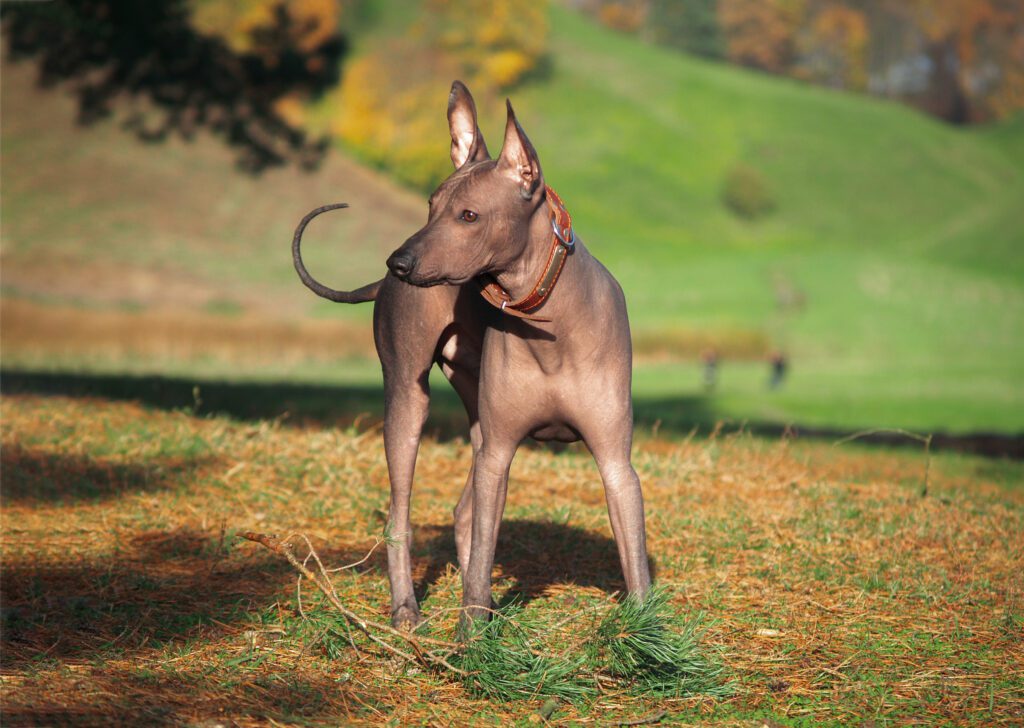
Xoloitzcuintli (Mexican Hairless)
Origin: Mexico
Pronounced “show-low-eats-QUEENT-lee” (or just “Xolo” for short), this is one of the oldest and rarest dog breeds in the world, with a history stretching back over 3,000 years to the ancient Aztec civilisation.
The Xolo comes in two varieties — hairless and coated — and in three sizes (toy, miniature, and standard). The hairless variety is the most iconic: smooth, warm to the touch, with wrinkled skin that can range from dark grey and black to bronze and spotted.
The Aztecs considered the Xolo sacred, believing the breed guided souls through the underworld. Today they are the official dog of Mexico and a source of immense cultural pride. Beyond their mythology, Xolos are calm, attentive, and deeply affectionate dogs — often described as almost cat-like in their composure.
Fun fact
Xolos are sometimes called “the dog of the gods” and ancient ceramic figurines of the breed have been found in Aztec and Colima burial sites.
Thai Ridgeback
Origin: Thailand
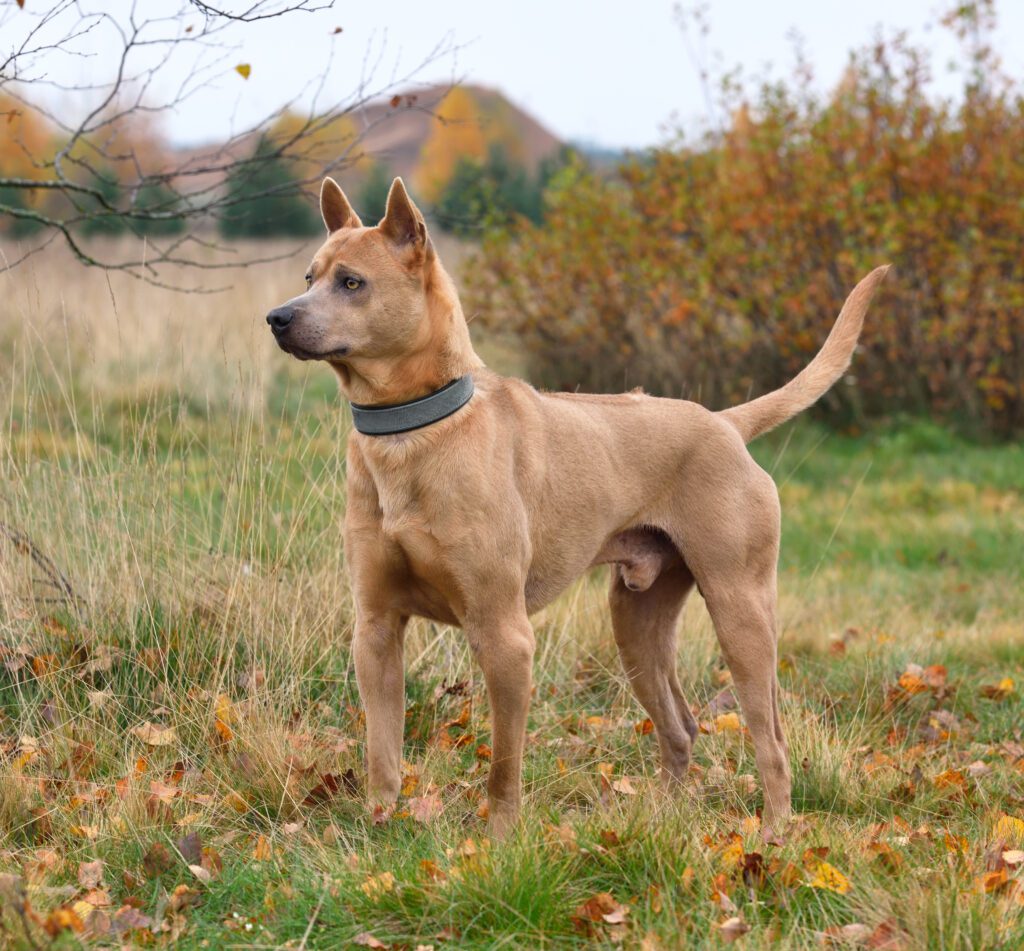
The Thai Ridgeback is one of only three breeds in the world that features a distinctive ridge of hair running along the spine in the opposite direction to the rest of the coat — the others being the Rhodesian Ridgeback and the Phu Quoc Ridgeback.
Developed in eastern Thailand, this breed was largely isolated for centuries, resulting in a dog that retains strong primitive instincts. Thai Ridgebacks are athletic, independent, and highly intelligent — but they can be a challenge to train without consistent, confident handling.
Their coats come in a range of solid colours — blue, black, red, and fawn — and their almond-shaped eyes give them an alert, piercing expression. Eight recognised ridge patterns have been identified, making each dog slightly unique in appearance.
Fun fact
Thai Ridgebacks were used by Thai villagers primarily as guard dogs and to keep cobra populations in check. Their prey drive and agility made them surprisingly effective against venomous snakes.
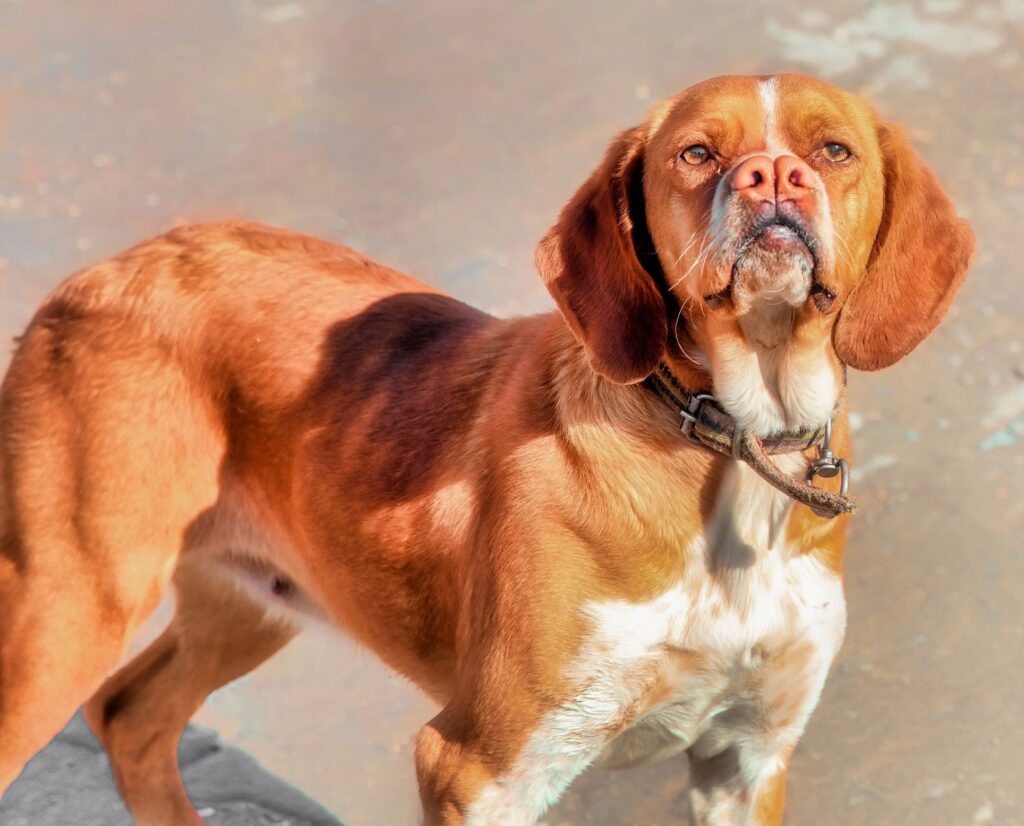
Catalburun (Turkish Pointer)
Origin: Turkey
At first glance, the Catalburun appears to have been designed by someone who couldn’t make up their mind. This rare Turkish hunting dog is one of only three breeds in the world with a split — or double — nose, giving it a deeply unusual, almost symmetrical facial feature that looks almost surreal in photographs.
The split nose is believed to enhance the dog’s scenting ability, making it an exceptional tracker and pointer. The Catalburun has been used for centuries in the Tarsus region of southern Turkey to hunt game, and it remains almost exclusively found within Turkey today.
With a lean, muscular frame and a gentle, devoted temperament, the Catalburun is as capable a working dog as it is a loyal companion — just one that will almost certainly make everyone stop and stare.
Fun fact
“Catalburun” translates from Turkish as “fork nose” — a name that describes its signature feature perfectly.
Lagotto Romagnolo
Origin: Italy
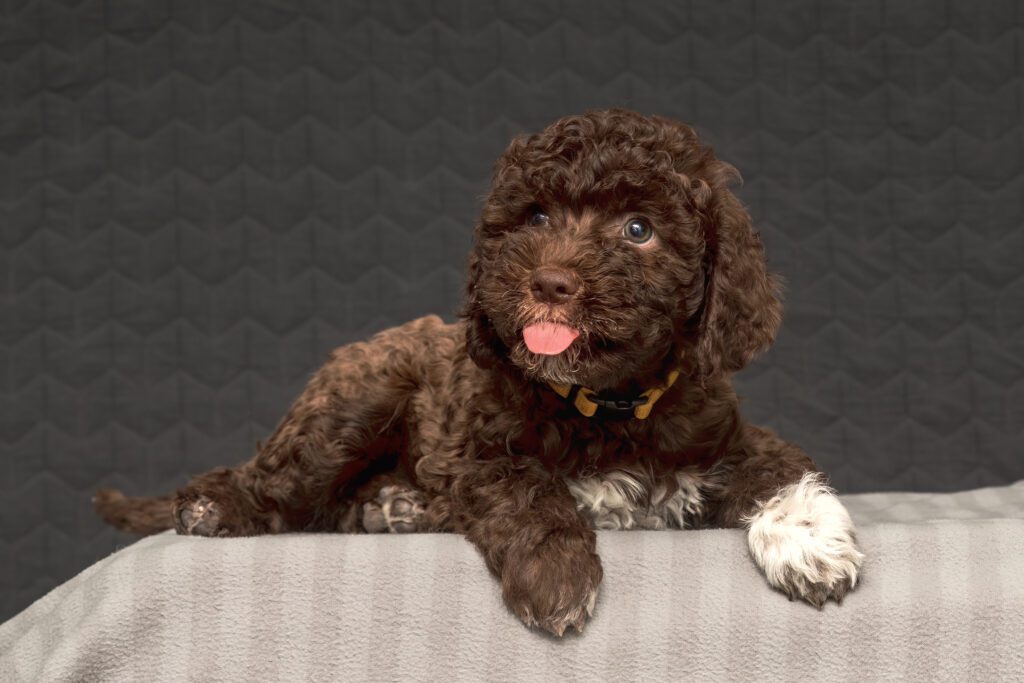
The Lagotto Romagnolo is Italy’s best-kept secret — a curly-coated, medium-sized dog with a nose for treasure. Originating in the Romagna region of northern Italy, this breed was originally used as a water retriever, but its extraordinary sense of smell eventually led to a new vocation: truffle hunting.
Today, the Lagotto is the only breed in the world officially recognised for truffle hunting, and a well-trained Lagotto can locate truffles buried deep underground with remarkable precision. In the truffle trade, a talented Lagotto is worth its weight in gold — sometimes quite literally.
Beyond their working ability, Lagottos are warm, affectionate, and playful. Their woolly, water-resistant coats require regular grooming, but their personalities more than make up for the upkeep.
Fun fact
A single exceptional Lagotto can earn its owner tens of thousands of euros per season during the truffle harvest — they are considered serious working assets by Italian truffle farmers.
Peruvian Inca Orchid
Origin: Peru
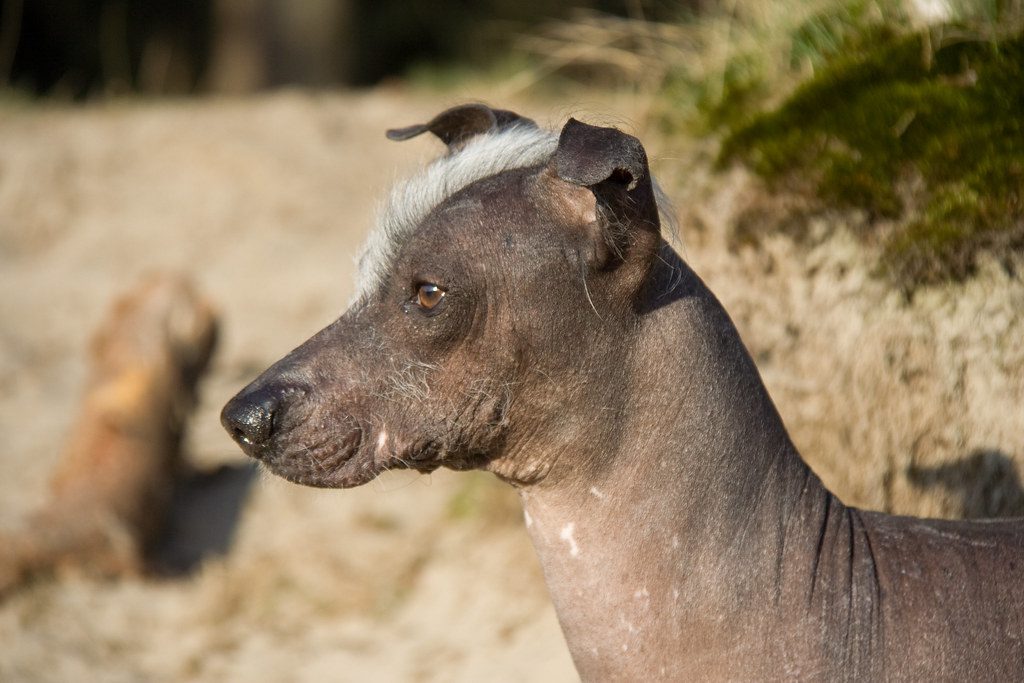
Like the Xoloitzcuintli, the Peruvian Inca Orchid is an ancient, largely hairless breed with roots in pre-Columbian civilisation. Depictions of this elegant dog appear in the pottery and artwork of the Moche, Chimú, and Inca peoples, suggesting the breed has existed in Peru for well over a thousand years.
The breed comes in three sizes and two coat varieties — hairless and coated. The hairless version typically has smooth, warm skin that may be mottled, spotted, or solid in colour, often featuring tufts of hair on the head, feet, and tail tip. Their eyes are expressive and soulful, ranging from yellow to dark brown.
Peruvian Inca Orchids are affectionate, fast, and surprisingly athletic — they are agile sprinters capable of impressive speeds. They tend to be reserved with strangers but deeply bonded to their families.
Fun fact
The Peruvian Inca Orchid is the national dog of Peru and has been granted heritage breed status by the Peruvian government to protect its preservation.
Bergamasco Sheepdog
Origin: Italy (Bergamo Alps)
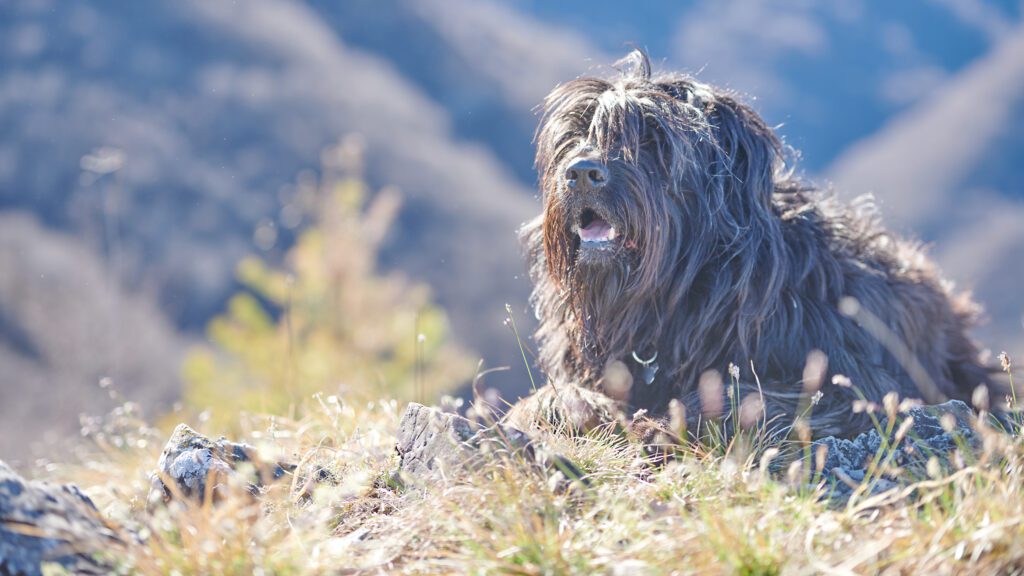
The Bergamasco Sheepdog is possibly the most visually dramatic dog on this list. Developed in the Italian Alps near Bergamo, this ancient herding breed is instantly recognisable by its extraordinary coat — a dense, matted mass of flat sections that form naturally into felt-like layers called “flocks.”
The coat is not merely aesthetic. It serves as armour against the cold mountain climate, wolf bites, and rocky terrain. It develops gradually over several years as the puppy matures, and once formed, it requires relatively little maintenance beyond occasional separation of the mats.
Beneath all that coat is a dog of immense intelligence, patience, and intuition — bred to work independently alongside shepherds in high-altitude conditions where quick thinking was more valuable than obedience to commands.
Fun fact
The Bergamasco’s three distinct hair types — dog hair, goat hair, and wool — intertwine naturally over time to create the breed’s distinctive flocked coat. No grooming tricks are required; nature does the work.
Otterhound
Origin: Great Britain
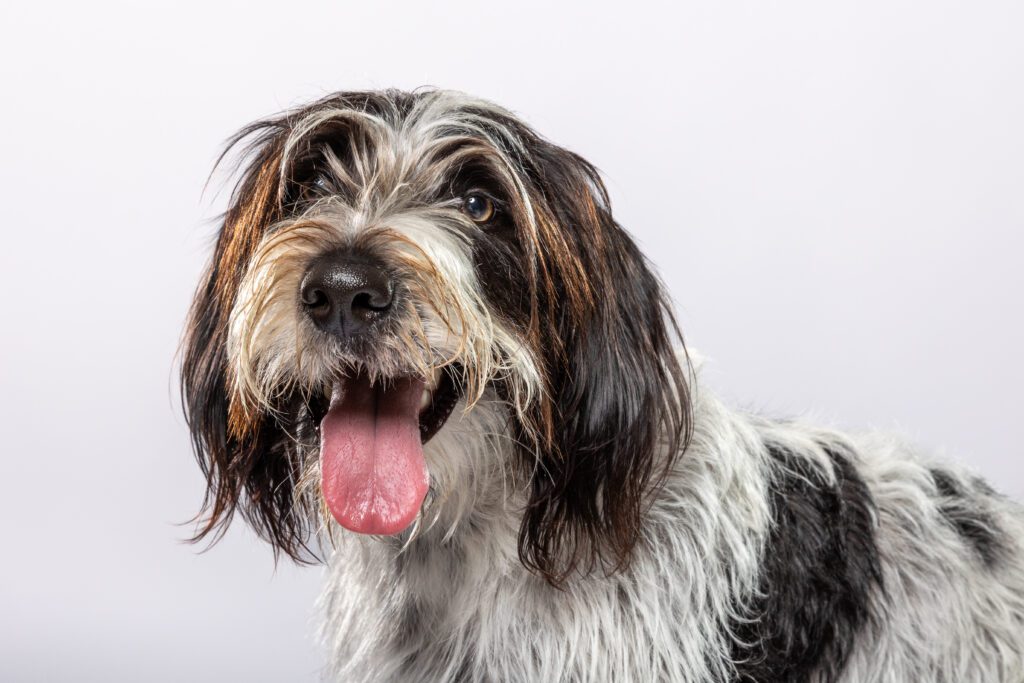
The Otterhound is Britain’s most endangered native dog breed — with fewer individuals alive today than the giant panda. Developed in medieval England to hunt river otters (a practice now banned), the Otterhound is a large, shaggy, boisterous hound with a powerful nose and an unshakeable love of water.
Their double coat is coarse and oily on the outside and soft underneath — a waterproof design that allowed them to work in rivers and streams for hours. Their large, webbed feet make them exceptional swimmers, and their stamina is remarkable. They are also loud — with a deep, melodic bay that carries across open countryside.
Despite being bred for serious work, Otterhounds are famously affectionate, clownish, and good-natured. They are enthusiastic companions who throw themselves — sometimes literally — into whatever they’re doing.
Fun fact
There are estimated to be fewer than 600 Otterhounds in the world. Breed preservation societies are working hard to ensure this ancient British hound doesn’t disappear entirely.
Ibizan Hound
Origin: Ibiza, Spain (originally ancient Egypt)
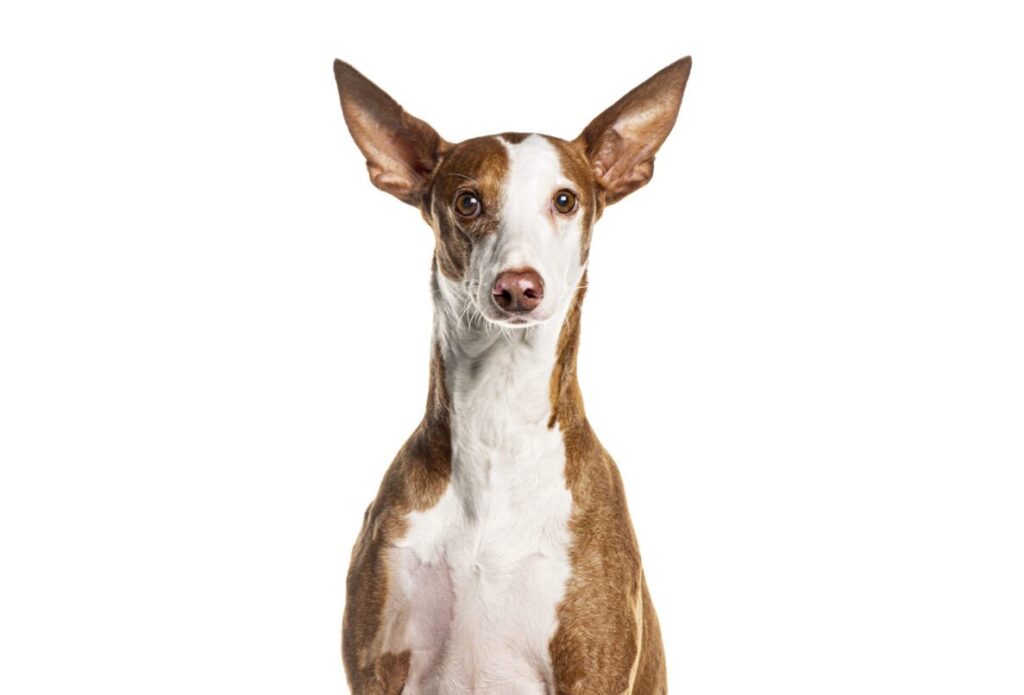
The Ibizan Hound looks like a dog that stepped out of an Egyptian wall painting — because, in a sense, it did. This elegant, large-eared sighthound bears a striking resemblance to the jackal god Anubis and is believed to descend from the ancient hounds kept by Egyptian pharaohs, brought to the Balearic Islands via Phoenician traders.
Ibizans are tall, lean, and graceful, with amber eyes and large, upright ears that pivot independently like satellite dishes. Their coats can be smooth or wire-haired, in shades of red, white, or a combination of both.
Unlike most sighthounds, Ibizan Hounds are known to hunt using all three senses — sight, scent, and hearing — making them unusually versatile hunters. On the island of Ibiza, they are still used today to hunt rabbits across rough terrain.
Fun fact
DNA analysis has shown that the Ibizan Hound’s resemblance to ancient Egyptian dogs is more a case of convergent physical traits than direct descent — they likely re-evolved similar features in the Balearic Islands independent of their Egyptian lookalikes.
Why Rare Breeds Matter
Every one of these ten breeds carries a piece of living history. They are the products of centuries of selective breeding, shaped by specific landscapes, cultures, and purposes. As the world becomes more homogenised and popular breeds dominate, these rare and unique dogs face an uncertain future.
At GEAR, we are committed to the responsible registration, documentation, and celebration of all animals — including rare and heritage breeds that deserve far more recognition than they receive. Whether you own one of these extraordinary dogs, are a breeder dedicated to preservation, or are simply an animal lover who believes that biodiversity matters, GEAR Hub is built for you.
Register your animal. Tell their story. Keep the lineage alive.