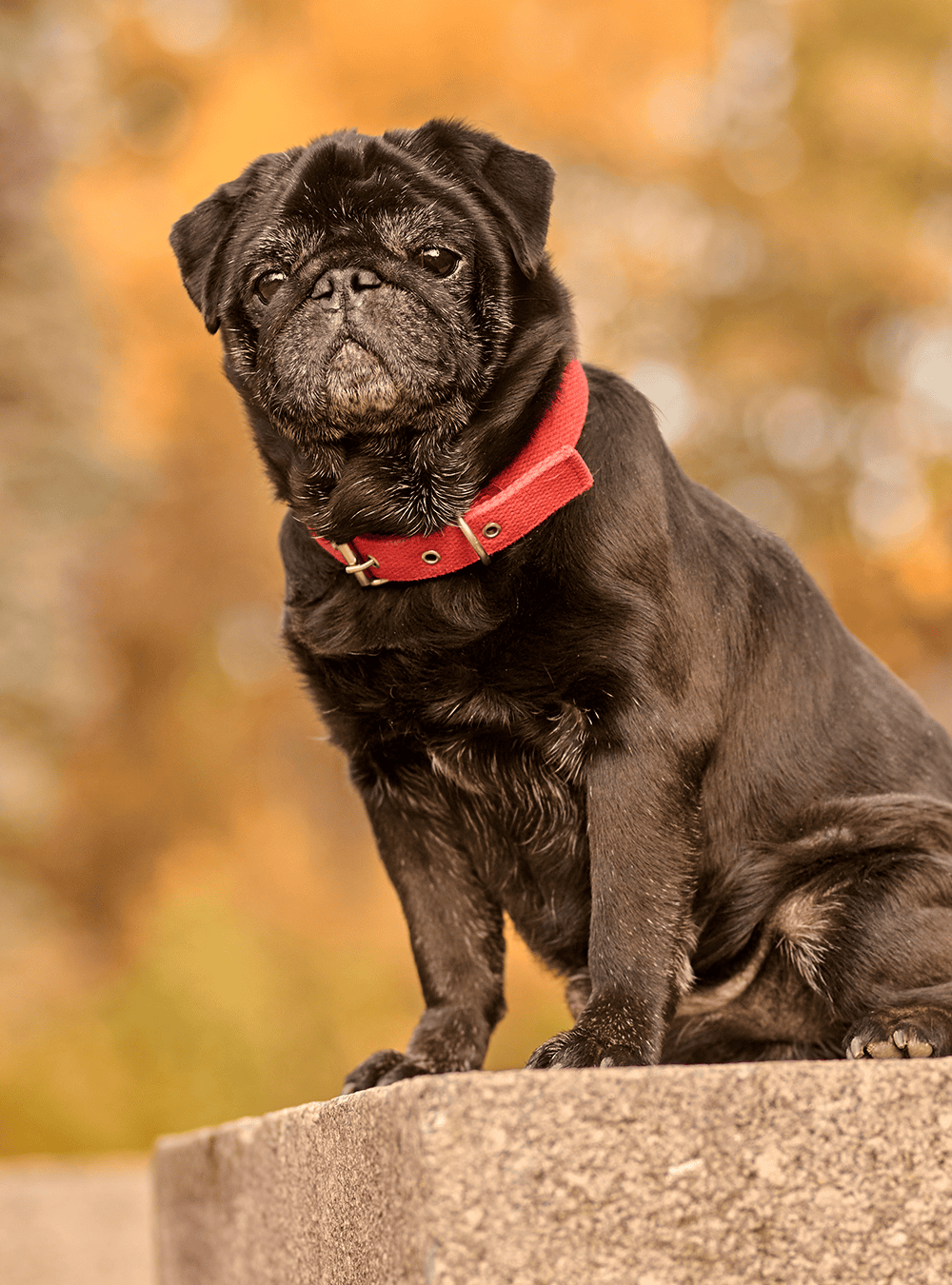
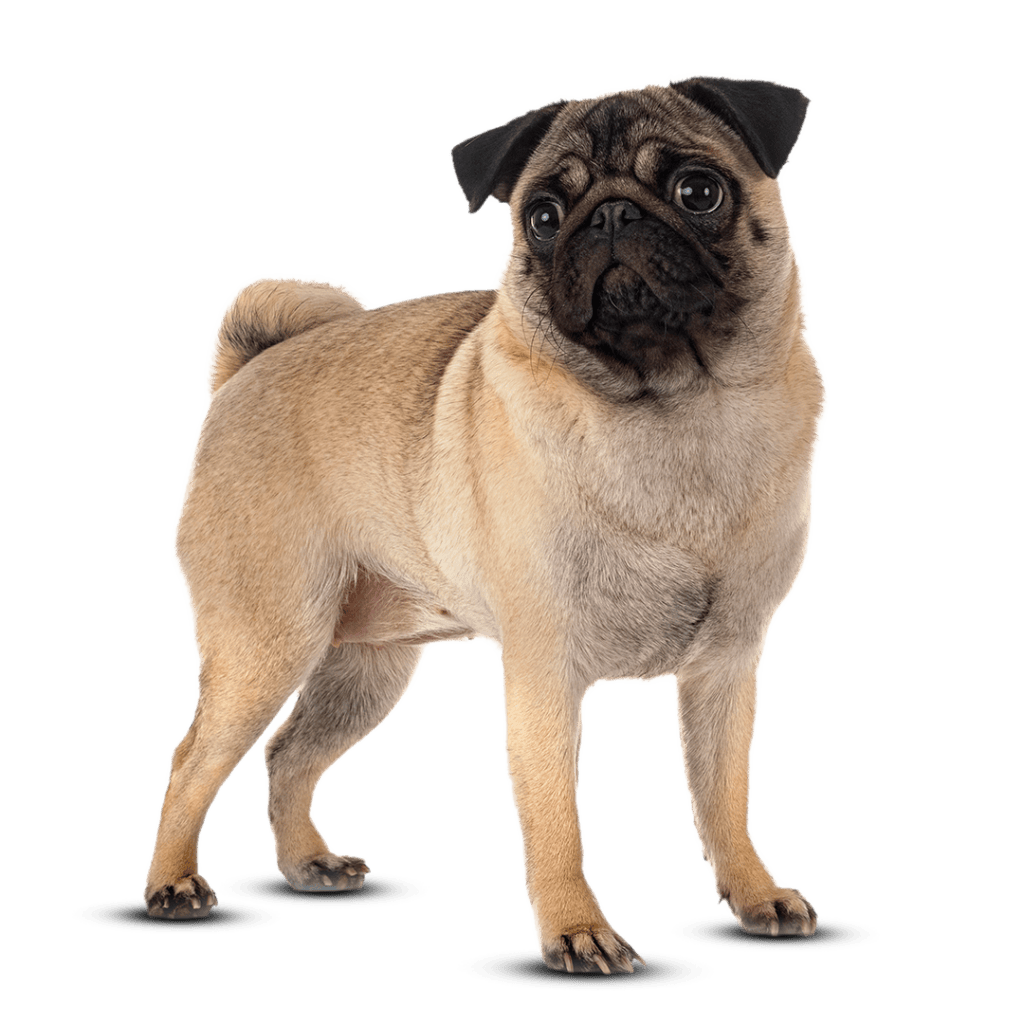
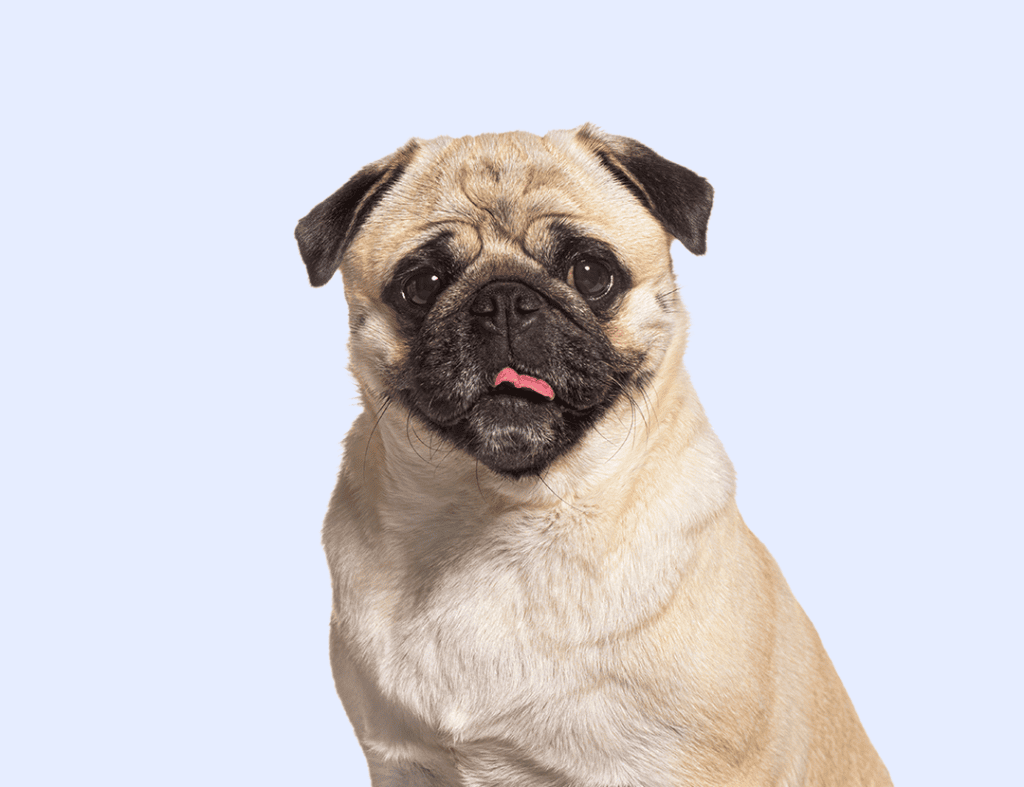
There’s a reason the Pug’s motto is multum in parvo — “a lot in a little.” This is a dog that packs an outsized personality into a small, solid, endlessly charming package. The breed’s story begins in ancient China, where it was bred as a companion for Chinese emperors, prized enough to sometimes live under royal guard. Pugs made their way to Europe in the 16th century via Dutch traders and quickly became darlings of the aristocracy. One Pug named Pompey is even credited with saving the life of Prince William of Orange in 1572, barking to warn him of an approaching assassin — a heroic moment that cemented the breed as the official dog of the House of Orange. From there, Pugs charmed their way through royal courts across Europe, including under Queen Victoria, before crossing the Atlantic and gaining official recognition in the U.S. in 1885. That royal history seems to have stuck: Pugs still carry themselves with a certain comic dignity, equal parts mischievous and dignified. They’re playful, affectionate, and endlessly eager to be near their people, with an expressive, wrinkled face capable of a genuinely impressive range of “emotions.” Pugs are generally easygoing with children, other dogs, and visitors alike, making them a wonderfully sociable family pet. They don’t need enormous amounts of exercise, but they do need attentive care — their flat face and compact body mean owners should watch for overheating, manage their weight carefully, and keep an eye on breathing during play or hot weather.