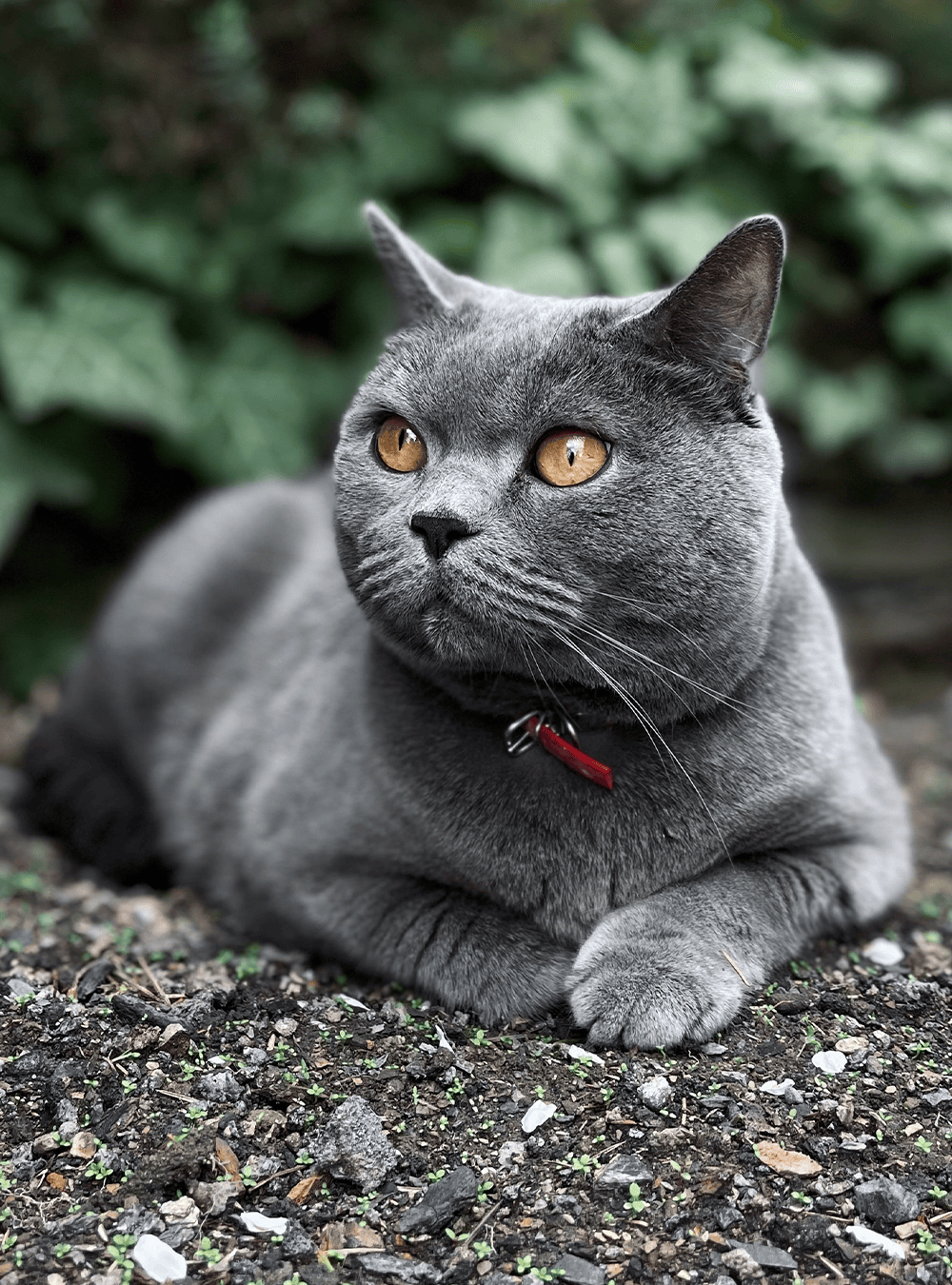
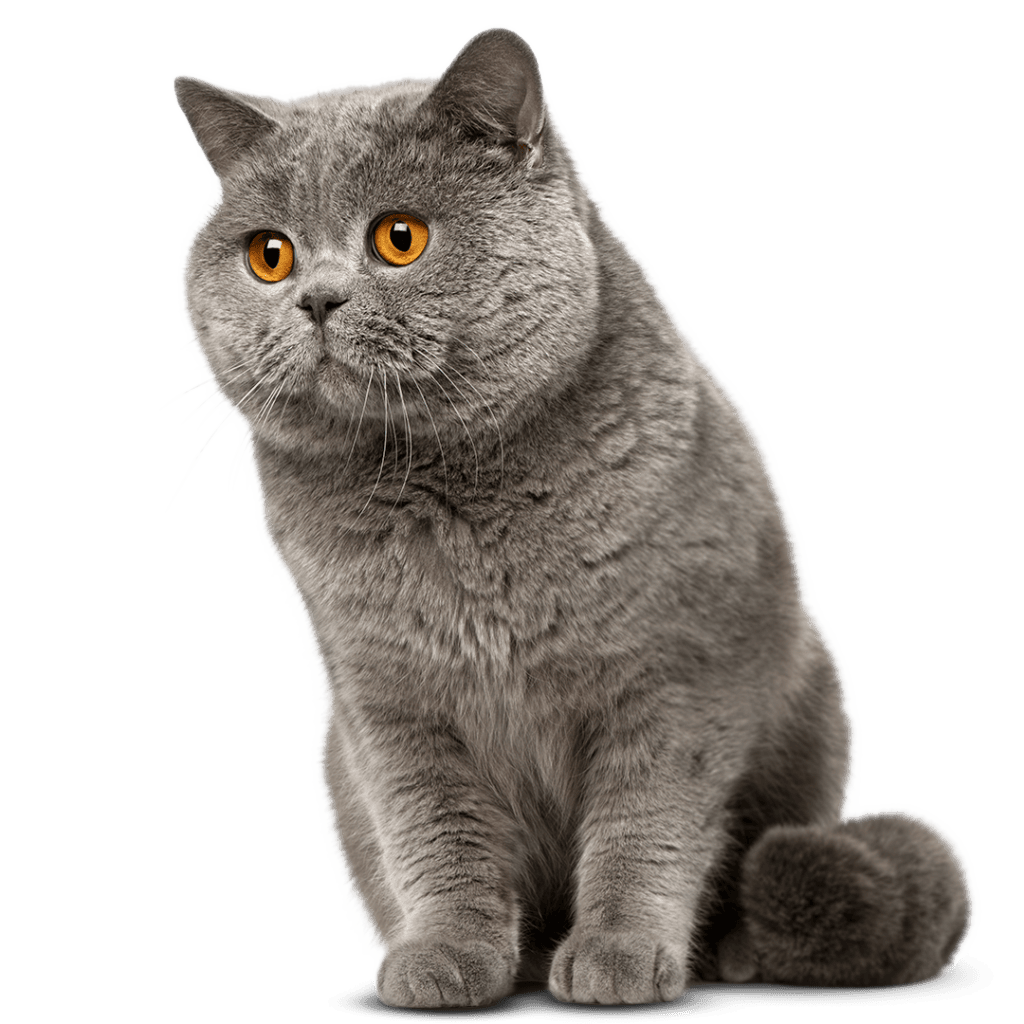
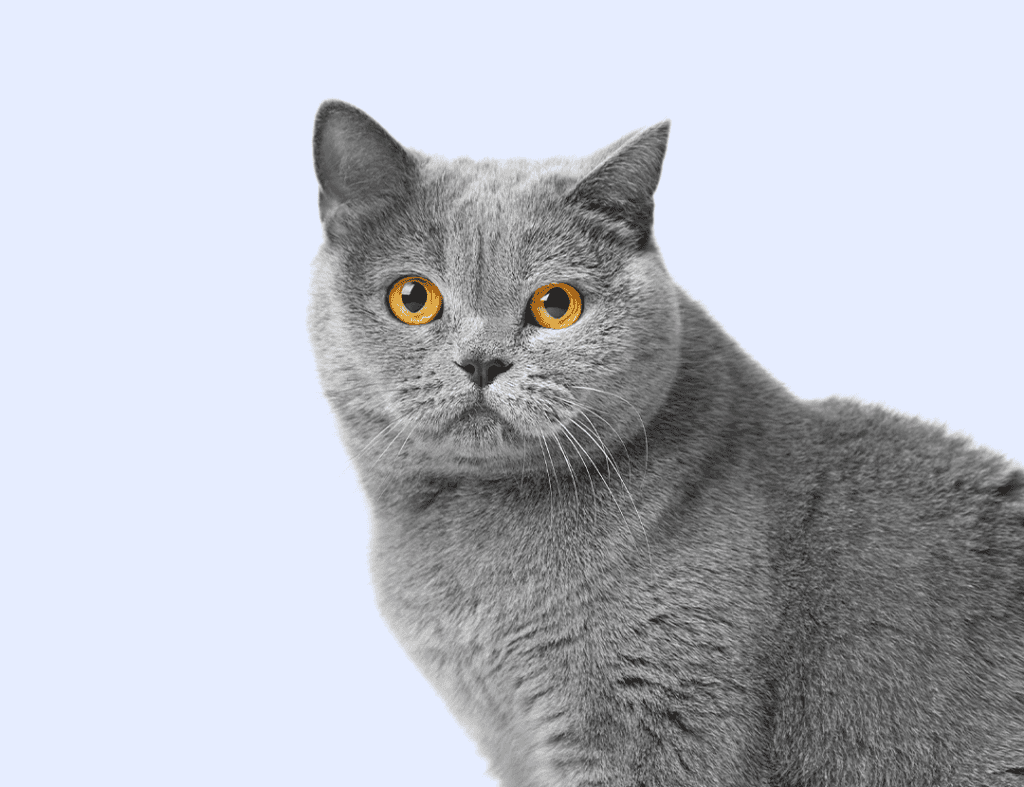
With its round face, dense plush coat, and famously huggable build, it’s no wonder the British Shorthair is nicknamed “the teddy bear cat.” This is one of the oldest cat breeds in existence, with roots tracing all the way back to Roman Britain, when domestic cats were brought over to keep camps and grain stores free of rodents. For centuries these sturdy, no-nonsense working cats roamed British farms and streets as an ordinary part of daily life — until the 1800s, when a cat-loving artist named Harrison Weir decided their good looks and calm dispositions deserved recognition. He organized the very first formal cat show at London’s Crystal Palace in 1871, and the humble British street cat officially became a celebrated pedigree breed. The breed hit a rough patch after World War II, when numbers dropped dramatically, but dedicated breeders rebuilt the lineage through careful outcrossing programs, preserving the classic British type we know today. True to their working-cat roots, British Shorthairs are famously easygoing: calm, affectionate, and content to spend hours quietly napping in a sunny spot, though they’re equally happy to invent their own games when the mood strikes. They bond closely with their families without being needy, tolerate alone time well, and are generally unbothered by household chaos — making them an excellent match for first-time cat owners and busy households alike. Slow to mature, a British Shorthair won’t reach full size until around three years old, so that solid, powerful frame takes its time to fill out.