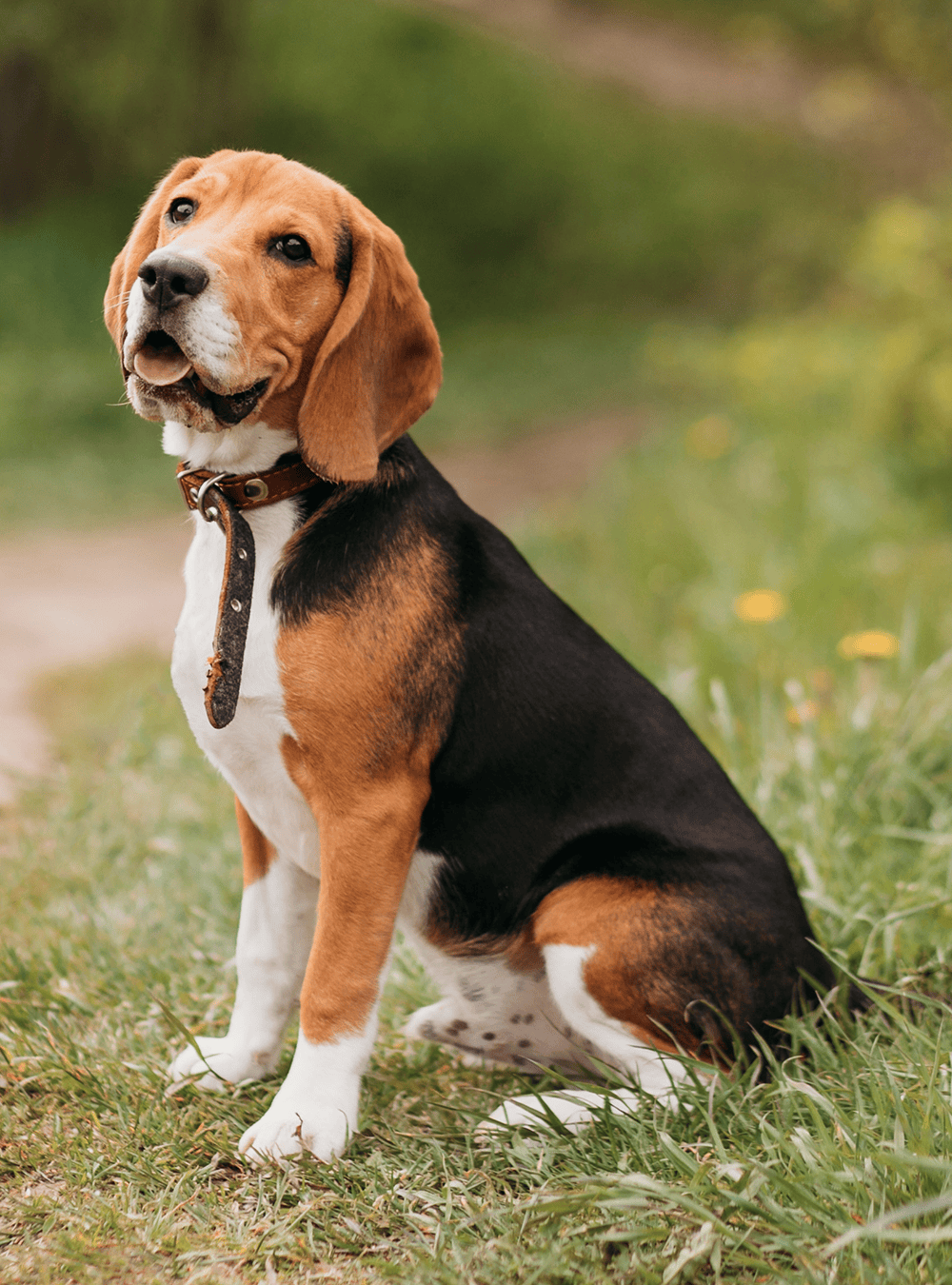
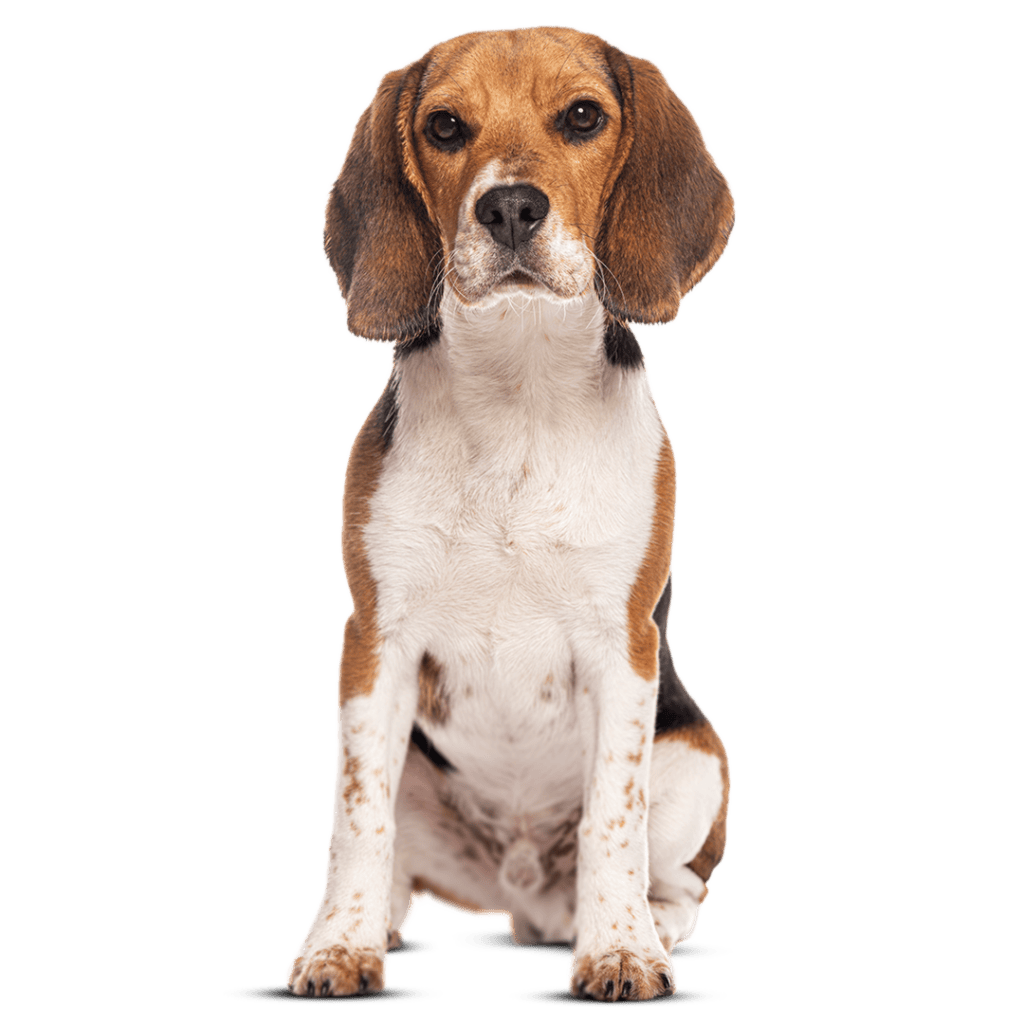
Small, sturdy, and led everywhere by that famously powerful nose, the Beagle is one of the oldest and most beloved scent hound breeds in the world. Its story stretches back centuries in England, with references to Beagle-type hounds appearing in writing as far back as the 1400s. These dogs were originally bred to hunt in packs, tracking rabbits and hare on foot alongside hunters — a job that demanded not just an extraordinary sense of smell (one of the most acute of any dog breed) but also the stamina and pack-oriented temperament to work happily alongside other dogs. The modern Beagle owes much of its consistent look and character to Reverend Phillip Honeywood, who established an influential breeding pack in Essex in the mid-1800s with a firm focus on hunting ability over appearance. The breed crossed the Atlantic soon after, with the first American breed club and official recognition arriving in 1884. That storied hunting heritage explains a lot about the Beagle’s personality today: cheerful, curious, and endlessly food-motivated, with a nose that can lead an otherwise obedient Beagle straight off the trail of a good scent. They’re famously friendly and sociable, getting along well with children, strangers, and other dogs alike, making them one of the most reliably good-natured family breeds around. Beagles do need consistent exercise and mental stimulation to stay out of mischief, and because that nose (and appetite) never really switches off, owners need to keep a close eye on treats and portion sizes to help prevent the weight gain this breed is notably prone to.